






Treating LBP: Extension vs. Flexion
McKenzie Mechanical and Diagnosis Therapy employs a unique assessment technique that has shown the greatest validity and reliability.
Read More
McKenzie Mechanical and Diagnosis Therapy employs a unique assessment technique that has shown the greatest validity and reliability.
Read More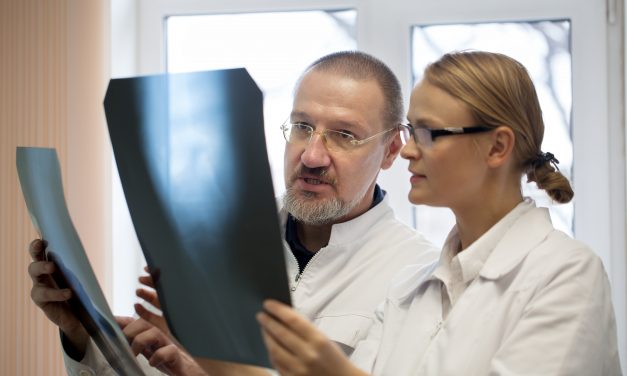
videnced-based care is no longer coming, it has arrived. Provider profiling, including data points on outcomes, frequency of care, the expense associated with patient management, and patient satisfaction has been gathered. This article is intended to bring you up to date with imaging guidelines.
Read More
The radial tunnel is defined as the space surrounding the radial nerve as it traverses the posterior forearm from the radiocapitellar joint thru the supinator muscle. (1) “Radial tunnel syndrome” describes symptoms generated from irritation or compression of the radial nerve within this 2” tunnel.
Read More
Headaches affect almost half of the population. 15-25% of all headaches are referred from the cervical spine and are classified as “cervicogenic” (1,36). The pathophysiology of cervicogenic headache (CGH) is debatable, but the anatomical basis is thought to be a convergence of sensory neurons from the cervical spine and trigeminal nerve in the trigeminocervical nucleus located in the upper cervical spinal cord
Read More
When a patient presents with numbness and tingling in their first 3 ½ fingers, most clinicians presume a diagnosis of carpal tunnel syndrome. Without confirming this source of median nerve compression we may be directing our treatment at the wrong culprit. Pronator Teres Syndrome describes the constellation of signs and symptoms that results from compression of the median nerve by the pronator teres muscle near the elbow. It is the second most frequent cause of median nerve compression with features similar to but discernable from its more common distal counterpart, carpal tunnel syndrome (1). Pronator Syndrome (PS) responsible for 9.2% of all cases of median nerve entrapment (2).
Read More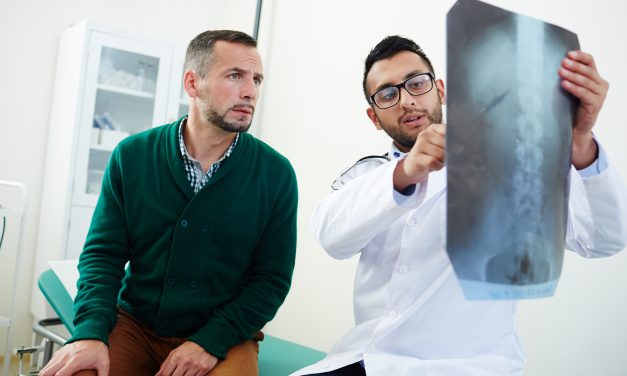
Most chiropractors enjoy treating torticollis patients. We know that in a matter of hours to days that contorted patient, who is writhing painfully in your waiting room, will be telling everyone about the dramatic relief they experienced in your office. Unfortunately, unlike your excited patient, chiropractors have apparently told no one in the scientific community about these outcomes. A literature search for “acute torticollis” produces…well…almost nothing! Let’s change that- but first, some background information may be relevant.
Read More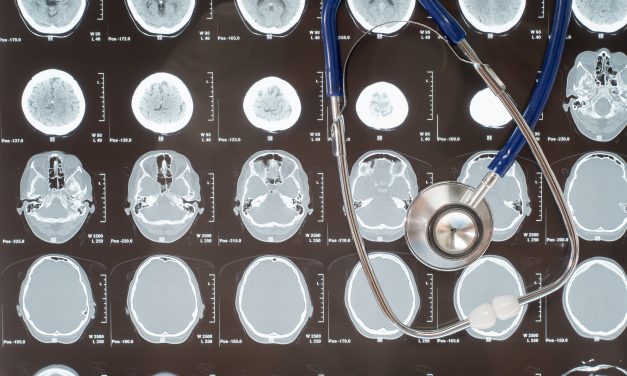
I have compiled a short list of common neurological disorders that may present in a chiropractic office and a brief review of the symptoms and diagnostic criteria. Guillian Barre Syndrome, Amyotrophic Lateral Sclerosis, Multiple Sclerosis, Cerebral Palsy, Muscular Dystrophy, Parkinson’s Disease
Read More
Severs disease, or calcaneal apophysitis is a painful inflammation of the cartilaginous growth center at the site of insertion for the calcaneal tendon. This condition, first reported by Sever in 1912 (1), is a common cause of posterior heel pain in active adolescents.
Read More